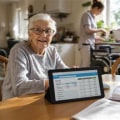
In today’s fast-paced world, where health concerns can arise unexpectedly, medical monitoring and assessments have become essential components of effective home care. As the demand for skilled nursing services grows, understanding the intricacies of these medical practices is paramount for both patients and caregivers. have become essential components of effective home care. As the demand for skilled nursing services grows, understanding the intricacies of these medical practices is paramount for both patients and caregivers.
Medical monitoring
refers to the continuous observation of a patient’s health status, while assessments involve systematic evaluations to identify potential health issues or track the progress of existing conditions. For individuals receiving care in the comfort of their own homes, these services not only ensure that health conditions are managed effectively but also empower patients to take an active role in their own well-being. Imagine being able to monitor vital signs, medication adherence, and overall health without the stress of frequent hospital visits.This article delves into the significance of medical monitoring and assessments in home care, shedding light on how these practices can enhance the quality of life for patients and provide peace of mind for their families. Join us as we explore how skilled nursing services facilitate comprehensive health management, ensuring that each patient receives personalized care tailored to their unique needs. From understanding the technology behind remote monitoring to recognizing the expertise required for thorough health assessments, this article will equip you with the knowledge you need to appreciate the vital role these services play in home care. In the realm of home care, medical monitoring and assessments serve as a cornerstone for delivering tailored and effective healthcare services. These processes are not merely routine checks; they are integral components that shape personalized care plans aimed at enhancing the quality of life for individuals requiring assistance. As the global population ages and the prevalence of chronic health conditions rises, the significance of these assessments becomes increasingly evident. Medical monitoring encompasses a wide range of evaluations conducted by skilled nursing professionals or home health aides. serve as a cornerstone for delivering tailored and effective healthcare services. These processes are not merely routine checks; they are integral components that shape personalized care plans aimed at enhancing the quality of life for individuals requiring assistance. As the global population ages and the prevalence of chronic health conditions rises, the significance of these assessments becomes increasingly evident. Medical monitoring encompasses a wide range of evaluations conducted by skilled nursing professionals or home health aides.
These assessments can include physical evaluations, medication management reviews, and mental health evaluations. Each type of assessment plays a vital role in understanding a patient's unique health status and needs. For instance, a physical assessment might involve measuring vital signs, assessing mobility, and evaluating overall physical health. This information helps caregivers identify any immediate health concerns and adjust care plans accordingly. Medication management is another critical aspect of medical monitoring.
Many patients, especially those with chronic conditions such as diabetes or heart disease, often take multiple medications. Home health aides perform regular reviews to ensure that medications are being taken correctly and to monitor for any side effects or interactions. For example, if a patient with diabetes experiences fluctuating blood sugar levels, a skilled nurse can reassess their medication regimen in conjunction with dietary habits and physical activity levels. This proactive approach allows caregivers to modify treatment plans effectively, ensuring that the patient maintains optimal health. Mental health evaluations are equally important in the context of home care.
Many individuals receiving care at home may face emotional challenges related to their health conditions or changes in their living situations. Regular mental health assessments enable caregivers to identify signs of depression, anxiety, or cognitive decline. By addressing these issues promptly, caregivers can implement supportive interventions that enhance both mental well-being and overall quality of life. Effective medical monitoring and assessments contribute significantly to the management of chronic diseases. For example, in the case of heart conditions, continuous monitoring of blood pressure and heart rate can alert caregivers to potential complications before they escalate into serious health crises.
This early detection is crucial not only for maintaining the patient's health but also for preventing hospitalizations that could disrupt their lives. However, as beneficial as these assessments are, there are valid concerns regarding privacy and data security associated with medical monitoring at home. Patients must be assured that their personal health information is handled with the utmost confidentiality. Healthcare providers should implement robust data protection measures to safeguard sensitive information while maintaining transparency with patients about how their data will be used. Educating patients about these protocols can alleviate fears and foster trust in the home care process. Another essential element in successful medical monitoring and assessments is regular communication among healthcare providers, patients, and family members.
Open lines of communication ensure that everyone involved is informed about the patient's condition and any adjustments made to their care plans. Family members play a crucial role in supporting patients; they can provide valuable insights about changes in behavior or health status that may not be immediately apparent to healthcare providers. Regular updates and discussions allow for a more coordinated approach to care, ultimately leading to better outcomes. In summary, medical monitoring and assessments are fundamental components of personalized home care services. They enable caregivers to deliver tailored interventions that address the unique needs of individuals, particularly those with chronic conditions.
As the demand for such services continues to grow due to an aging population and rising chronic health issues, understanding the importance of these assessments will remain critical in promoting safety and enhancing the quality of life for those receiving care at home.
The Role of Technology in Medical Monitoring
Medical monitoring has significantly evolved with the advent of technology, particularly in the realm of home care. Telehealth services have become a cornerstone in providing accessible and efficient care for patients. These services allow healthcare professionals to conduct assessments and monitor patients remotely, thereby reducing the need for frequent in-person visits. This is especially beneficial for individuals with mobility challenges or those living in remote areas. Wearable devices have also transformed medical monitoring.Items such as smartwatches and fitness trackers can continuously monitor vital signs like heart rate, blood pressure, and oxygen levels. These devices provide real-time data to both patients and healthcare providers, enabling timely interventions when necessary. The integration of wearables in home care empowers individuals to take charge of their health while ensuring that their medical team remains informed about their condition. Furthermore, mobile health applications play a crucial role in enhancing medical assessments. These applications can remind patients to take medications, schedule appointments, and even track symptoms.
Many apps also facilitate communication between patients and healthcare providers, ensuring that any concerns are addressed promptly. By harnessing the power of technology, home care services can offer more personalized and effective medical monitoring, ultimately leading to improved patient outcomes and quality of life.
Choosing the Right Home Care Service
When it comes to selecting a home care provider that offers medical monitoring and assessments, it is crucial to consider several factors to ensure quality care for yourself or your loved ones. Here are some essential tips to guide your decision-making process.Accreditation
is one of the first aspects to check. A reputable home care agency should be accredited by recognized organizations, which signifies that they meet specific standards of quality and safety.Look for agencies that have accreditation from bodies such as the Joint Commission or the National Association for Home Care & Hospice. This can provide peace of mind that the services offered adhere to high-quality benchmarks. Next, examine the staff qualifications. The home care provider should employ qualified healthcare professionals who are trained in medical monitoring and assessments. Check whether their staff includes registered nurses, licensed practical nurses, or certified nursing assistants who possess the necessary skills and experience.
It’s also beneficial to inquire about ongoing training programs that staff members participate in to stay updated with best practices in home care. Lastly, don’t overlook the importance of patient reviews. Researching feedback from previous clients can provide valuable insights into the quality of care provided by the agency. Look for testimonials on their website, social media platforms, or third-party review sites. Positive reviews often indicate a reliable service, while consistent negative feedback may serve as a red flag. By considering accreditation, staff qualifications, and patient reviews, you can make an informed decision when choosing a home care service that specializes in medical monitoring and assessments.
This careful selection process will help ensure that your needs or those of your loved ones are met with professionalism and compassion.
Benefits of Regular Medical Monitoring
Regular medical monitoring is essential for individuals receiving home care, particularly for those with chronic conditions or advancing age. One of the primary benefits of ongoing monitoring is the early detection of health issues. By consistently tracking vital signs and other health indicators, caregivers can identify potential problems before they escalate into more serious conditions. This proactive approach allows for timely interventions and adjustments to treatment plans, ultimately leading to better patient outcomes. Additionally, improved health outcomes are a significant advantage of regular medical assessments.When patients receive continuous care and monitoring, healthcare professionals can make informed decisions regarding medication adjustments, lifestyle changes, and therapeutic interventions. This tailored approach not only enhances the patient's overall well-being but also fosters a sense of empowerment and involvement in their own health management. Moreover, effective medical monitoring can lead to reduced hospitalizations. By managing health conditions in a home setting, patients are less likely to experience complications that require emergency care or hospitalization. This not only benefits the patients by maintaining their comfort and stability at home but also reduces healthcare costs and strain on hospital resources. In summary, the benefits of regular medical monitoring extend beyond mere observation; they encompass early detection of health issues, improved health outcomes, and a significant reduction in hospitalizations.
These factors contribute to a higher quality of life for individuals receiving home care services.
Types of Medical Assessments in Home Care
In the realm of home care, medical monitoring and assessments play a crucial role in delivering personalized healthcare services. Various types of assessments are conducted to ensure that the care provided aligns with the specific needs of each individual. Initially, when a patient begins receiving home care services, an initial assessment is performed. This comprehensive evaluation aims to gather information about the patient's medical history, current health status, and personal preferences. During this assessment, healthcare professionals often review medications, existing conditions, and any previous treatments to develop an effective care plan tailored to the patient’s unique situation. Following the initial assessment, ongoing evaluations are essential for monitoring the patient's progress and adjusting care plans as necessary.These evaluations can be scheduled regularly or conducted as needed based on changes in the patient's health. They allow caregivers to identify any new symptoms or complications early, ensuring timely intervention and support. Moreover, specific assessments may be carried out based on individual patient needs. For instance, patients with chronic conditions such as diabetes may require regular blood glucose monitoring and dietary assessments. Similarly, those recovering from surgery might undergo mobility assessments to track their rehabilitation progress.
These targeted assessments help in fine-tuning the care approach and enhancing the quality of life for patients. In summary, understanding the different types of medical assessments in home care is vital for ensuring effective medical monitoring and assessments. By tailoring evaluations to meet individual needs, caregivers can significantly improve health outcomes and maintain safety within the home environment. In conclusion, this article has highlighted the critical role of medical monitoring and assessments in enhancing home care services. We explored various types of medical assessments that are essential for tailoring care to individual needs, as well as the impact of technology in facilitating effective medical monitoring. The numerous benefits of regular medical monitoring were discussed, emphasizing how consistent assessments can lead to improved quality of life and increased safety for individuals in their home environments. As the demand for these services continues to rise due to an aging population and a growing prevalence of chronic health conditions, it is vital for families to prioritize medical monitoring and assessments when considering home care options.
We encourage readers to seek out local services that emphasize these important aspects, ensuring better care outcomes for themselves or their loved ones.