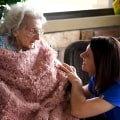
In an era where healthcare increasingly emphasizes patient-centered approaches, the concept of Shared Decision-Making in Care Plans has emerged as a vital framework for enhancing the quality of care delivered to individuals and their families. When families are actively involved in the decision-making processes surrounding care plans, it not only fosters a sense of ownership but also significantly improves health outcomes. This collaborative approach empowers families, ensuring that their values, preferences, and unique circumstances are integrated into the care strategy. The need for Shared Decision-Making in Care Plans is especially crucial in the context of in-home care, where personalized attention can make all the difference. Families often find themselves navigating complex medical decisions, and when caregivers encourage their participation, it transforms the caregiving experience into one that is more aligned with the family's needs and expectations.
By recognizing and respecting the voices of family members, healthcare providers can build stronger relationships that ultimately enhance trust and satisfaction. This article delves into the transformative power of Shared Decision-Making in Care Plans, highlighting how this approach not only benefits patients but also strengthens family bonds and supports overall well-being. As we explore the multifaceted advantages of involving families in care decisions, we invite you to consider how these practices can revolutionize the way we think about and deliver in-home care.
Shared decision-making
is a collaborative process that recognizes the importance of communication and respect for individual preferences in the creation of care plans. It is centered around the idea that families, caregivers, and health professionals should work together to make informed choices that reflect the unique values and needs of the person receiving care. This approach enhances the quality of care by ensuring that it is not only medically sound but also personally meaningful to the patient.As the demand for home care serviceshome care services continues to rise, the role of family involvement in these decisions becomes increasingly critical. The principles of continues to rise, the role of family involvement in these decisions becomes increasingly critical. The principles of shared decision-making include open communication, respect for individual preferences, and informed choices. Open communication allows all parties to express their thoughts, concerns, and desires freely, fostering an environment where everyone feels valued and heard. Respecting preferences means that caregivers and health professionals actively consider the opinions and wishes of the patient and their family when formulating a care plan.
Informed choices empower families to make decisions based on comprehensive information about treatment options, potential outcomes, and associated risks. For example, during a care planning discussion, a family member might express a preference for a particular type of therapy based on cultural beliefs or past experiences, which should be seriously considered in the final care plan. Families can actively participate in care planning discussions in various ways. They can prepare questions ahead of time to ensure they understand the proposed care strategies and their implications fully.
Additionally, family members can share personal stories or insights about their loved one’s preferences, which can guide health professionals in tailoring care plans effectively. For instance, if a patient with dementia responds positively to music therapy, families can advocate for its inclusion in the care plan, ensuring that treatment aligns with their loved one's interests and needs. By being engaged in discussions about home care services, such as personal care assistants or nursing services, families can help determine what type of support will best fit their loved one's lifestyle and preferences. Different types of home care services are available, each catering to specific needs. Personal care assistants provide help with daily living activities like bathing, dressing, and meal preparation, while nursing services offer more specialized medical care, including medication management and wound care.
The selection of these services can greatly benefit from shared decision-making, as families often have unique insights into their loved one's daily routines and challenges that health professionals may not fully understand. For example, if a family knows that their elderly parent struggles with mobility in the morning, they might suggest scheduling personal care services during that time to ensure assistance is readily available when needed. However, implementing shared decision-making does come with challenges. There may be discrepancies in knowledge levels among family members and healthcare providers regarding medical terminology or treatment options. Additionally, emotional stress can sometimes hinder effective communication during critical decision-making times.
To overcome these challenges, health professionals can provide educational resources that clarify complex medical concepts and promote discussions that allow families to voice their concerns openly. Encouraging regular family meetings can also create a structured environment where everyone has an opportunity to discuss their thoughts and preferences comfortably. Testimonials from families who have successfully engaged in shared decision-making highlight its positive impact on both care outcomes and overall satisfaction. For instance, one family shared how involving their elderly father in discussions about his diabetes management not only improved his adherence to dietary recommendations but also strengthened their relationship as they worked together towards common goals. Another case study revealed that a family advocating for integrated physical therapy services led to a noticeable improvement in their loved one’s mobility and quality of life.
These examples illustrate how active participation in care planning discussions can lead to better alignment between care options and patient values. In conclusion, embracing shared decision-making within care plans is vital for empowering families and enhancing the quality of home care services. By prioritizing communication, respecting preferences, and facilitating informed choices, families can play an essential role in ensuring their loved ones receive personalized care that resonates with their values and needs.
Real-Life Examples of Shared Decision-Making Success
Shared decision-making in care plans has transformed the lives of many families navigating the complexities of home care. By involving all stakeholders—caregivers, family members, and health professionals—in the decision-making process, families can create truly personalized care plans that reflect individual needs and preferences. For instance, the Smith family faced a challenging situation when their elderly mother was diagnosed with dementia. Initially, they felt overwhelmed by the myriad of care options available. Shared decision-making in care plans has transformed the lives of many families navigating the complexities of home care. By involving all stakeholders—caregivers, family members, and health professionals—in the decision-making process, families can create truly personalized care plans that reflect individual needs and preferences. For instance, the Smith family faced a challenging situation when their elderly mother was diagnosed with dementia. Initially, they felt overwhelmed by the myriad of care options available.However, by engaging in shared decision-making with their mother's healthcare team, they were able to explore various home care services together. This collaborative approach allowed them to select a plan that not only met their mother's medical needs but also respected her desire to remain in her own home, surrounded by familiar surroundings. Another inspiring story comes from the Johnson family, who were tasked with caring for their father post-surgery. The family had differing opinions on the type of rehabilitation services he should receive at home. Through shared decision-making, they held a meeting with a physical therapist who facilitated an open discussion about each option's pros and cons.
This collaboration led to a consensus on a tailored rehabilitation plan that combined physical therapy sessions with engaging activities, significantly enhancing their father's recovery experience. These examples highlight how shared decision-making fosters collaboration and empowers families. By participating in the creation of care plans, families feel more confident and supported in their caregiving roles, ultimately leading to better health outcomes for their loved ones.
Understanding Shared Decision-Making
Shared decision-making is a collaborative process in which healthcare providers, patients, and their families engage in discussions to make informed decisions about care plans. This approach emphasizes the importance of incorporating the preferences, values, and needs of all parties involved, ultimately leading to more personalized and effective care. In the context of home care, shared decision-making becomes particularly vital. Home care services are tailored to meet the unique requirements of individuals who may have complex health conditions or specific lifestyle preferences.When caregivers and families actively participate in the decision-making process, they can develop care plans that not only address medical needs but also respect the individual's wishes and enhance their quality of life. The relevance of shared decision-making in home care cannot be overstated. As the demand for home care services continues to rise, largely due to an aging population and a preference for receiving care in familiar environments, the role of families becomes increasingly significant. By involving families in discussions about care options, health professionals can ensure that decisions are made collaboratively, fostering trust and transparency. This approach not only empowers families but also improves adherence to care plans and patient satisfaction. Ultimately, shared decision-making in home care promotes a holistic view of health that encompasses both medical expertise and personal values, leading to better outcomes for patients and their families.
The Role of Family in Care Planning
Family involvement plays a crucial role in enhancing the effectiveness of care plans for individuals receiving in-home care.When families actively participate in the decision-making process, they bring invaluable insights about the patient's preferences, lifestyle, and specific needs. This collaborative approach ensures that the care plan is not only tailored to the medical requirements but also aligned with the individual's values and day-to-day realities. Moreover, involving family members fosters a sense of ownership and accountability. Families who are engaged in shared decision-making are more likely to adhere to the established care plan, as they feel a personal connection to the decisions made. This can lead to improved health outcomes, as caregivers and family members work together to monitor progress and make necessary adjustments. Additionally, families often act as advocates for their loved ones, ensuring that their voices are heard in discussions with healthcare professionals.
This advocacy can be particularly important when navigating complex medical information or when preferences may not be fully understood by providers. By standing alongside healthcare professionals, families can help bridge communication gaps, ultimately leading to more comprehensive and effective care. Furthermore, family involvement can provide emotional support for both the patient and caregivers. The presence of family members can alleviate feelings of isolation and anxiety, creating a more supportive environment for recovery or management of chronic conditions. When families are part of the care planning process, it reinforces the notion that healthcare is a team effort, where every member's contribution is valued. In summary, integrating family members into the care planning process enhances not only the effectiveness of the plans themselves but also the overall quality of care provided.
It cultivates a sense of community around the individual receiving care, ensuring that their unique needs and preferences are met with compassion and understanding.
Overcoming Challenges in Shared Decision-Making
Shared decision-making in care plans is a powerful approach that encourages collaboration among families, caregivers, and health professionals. However, it is not without its challenges. Families may encounter several barriers that hinder effective participation in the decision-making process. One common barrier is communication difficulties. Families often find it challenging to articulate their concerns and preferences due to complex medical terminology or a lack of understanding of the care options available.To address this, healthcare providers can simplify explanations and use clear, jargon-free language. Additionally, providing educational resources, such as brochures or videos, can empower families to engage more confidently in discussions. Another challenge is emotional stress. Families may be overwhelmed by the health condition of their loved ones, leading to anxiety and difficulty in making decisions. It is crucial for caregivers to acknowledge these emotions and create a supportive environment where families feel comfortable expressing their feelings.
Regular check-ins and offering emotional support can help alleviate some of this stress. Additionally, time constraints can pose a significant obstacle. Busy schedules and the demands of daily life might limit a family's ability to participate fully in decision-making meetings. Healthcare providers should consider flexible scheduling options for meetings and encourage families to prioritize these discussions as an essential part of the care process. Lastly, there may be issues related to trust and power dynamics. Families might feel intimidated by healthcare professionals or believe their input is undervalued.
Establishing a culture of respect and open dialogue is vital. Healthcare teams should actively solicit family feedback and reinforce that their insights are invaluable in crafting effective care plans. By recognizing these barriers and implementing practical solutions, shared decision-making can become a more inclusive and effective process, ensuring that care plans truly reflect the needs and desires of those receiving care.
Types of Home Care Services
When considering shared decision-making in care plans, it is essential to explore the various home care services available. Each service is designed to meet specific needs, allowing families to tailor care plans that best fit their loved ones. Understanding these options is a crucial step in the collaborative decision-making process. One of the primary types of home care services includes personal care assistance, where trained caregivers help with daily activities such as bathing, dressing, and meal preparation.This type of service not only promotes independence but also ensures that the individual’s personal preferences are respected. Another significant category is skilled nursing care. This service involves licensed nurses providing medical care, administering medications, and monitoring health conditions. Families can engage in shared decision-making by discussing the frequency and type of nursing services required based on the patient’s medical needs.
Physical therapy
and rehabilitation services are also essential components of home care. These services help individuals regain mobility and strength following an illness or surgery.Families can work closely with therapists to create a customized rehabilitation plan that aligns with the patient’s recovery goals.
Companionship services
play a vital role in enhancing emotional well-being. Caregivers offer companionship and social interaction, which can significantly improve the quality of life for seniors. In this case, families should consider personal preferences when choosing a companion, ensuring a good match to foster meaningful relationships. Finally, respite care provides temporary relief for primary caregivers, allowing them to take a break while ensuring their loved ones receive proper care. This option can be integrated into a shared decision-making framework by assessing the family’s needs for support and scheduling respite care accordingly. By exploring these various home care services, families can engage in informed discussions with health professionals and caregivers, ultimately leading to more effective and personalized care plans that cater to individual needs. In conclusion, shared decision-making is pivotal in enhancing the overall home care experience for individuals and their families.By fostering a collaborative environment among caregivers, family members, and health professionals, we can create more personalized care plans that truly reflect the unique needs of each patient. It is crucial for families to actively engage with their care providers and communicate their preferences, as this involvement leads to better health outcomes and increased satisfaction with care services. When families take an active role in the decision-making process, they contribute to a more holistic approach that recognizes not only the medical needs but also the emotional and social dimensions of care. Ultimately, embracing shared decision-making not only empowers families but also reinforces the importance of individualizing care, ensuring that each person receives the most appropriate and effective support possible.